Struggling with sweaty hands or feet? You’re not alone. Excessive sweating affects millions of people worldwide.
This guide explains how Antihydral works, what’s inside it, and how to use it correctly.
What Is Antihydral?
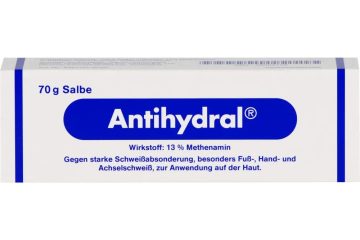
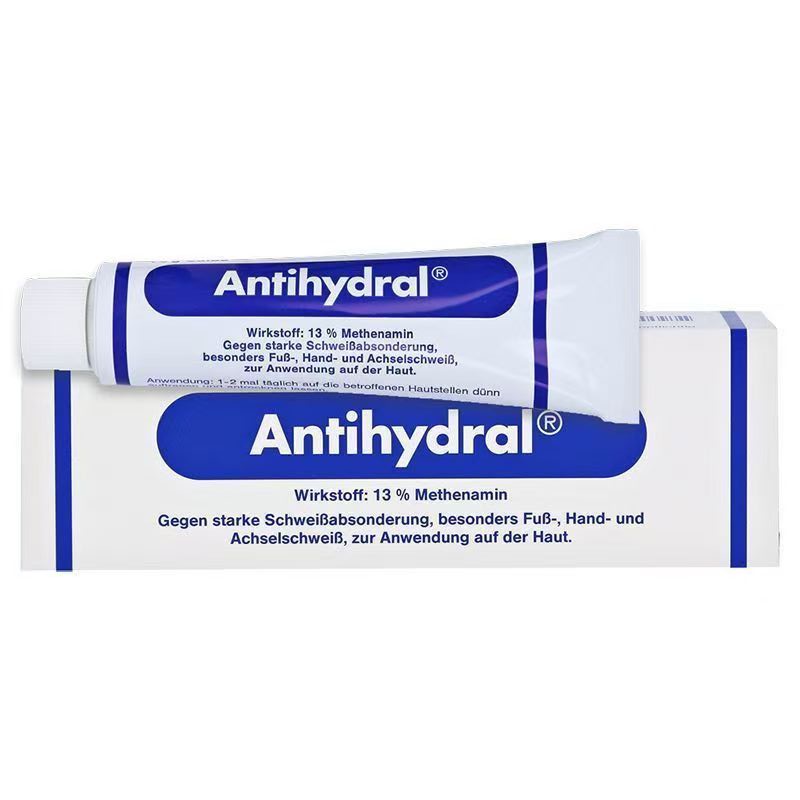
Antihydral is a German cream designed to stop excessive sweating. It targets hands, feet, and underarms.
Unlike regular deodorants, Antihydral uses chemistry to actually stop sweat production. This makes it more effective for severe cases.
The product has been featured in Deutsche Apotheker Zeitung, a leading German pharmacy journal.
Antihydral Ingredients: What’s Inside?
The Active Ingredient: Methenamine
The main active ingredient is methenamine (also called hexamethylenetetramine).
Antihydral methenamine works differently than aluminum-based antiperspirants. It doesn’t just block pores physically.
Instead, it triggers a chemical reaction with your sweat.
How Does Methenamine Work?
Here’s the science made simple:
- You apply the cream to your skin
- Methenamine meets your skin’s natural acidity
- This reaction releases small amounts of formaldehyde
- The formaldehyde reacts with proteins in your sweat
- These proteins clump together, forming a plug in the sweat duct
- The plug stops sweat from reaching your skin’s surface
This happens right at the pore opening. The reaction is highly targeted and localized.
Is Antihydral Safe?
Understanding the Formaldehyde Release
Many people worry when they hear “formaldehyde.” Let’s address this directly.
The formaldehyde released by antihydral methenamine occurs only at the application site. It reacts immediately with sweat proteins.
It doesn’t enter your bloodstream or spread through your body.
This controlled release is part of the therapeutic mechanism. German pharmacists consider this approach safe when used as directed.
Known Side Effects
The main side effect is dry, brittle skin.
Because Antihydral stops sweat production completely, your skin can become too dry. This may lead to:
- Cracked skin
- Rough texture
- Discomfort
These effects are preventable with proper use and moisturizing.
Who Should Avoid Antihydral?
Consult a doctor before using Antihydral if you:
- Have sensitive skin
- Have open wounds or cracks
- Are pregnant or breastfeeding
- Have known formaldehyde sensitivity
How to Use Antihydral: The Complete Protocol
The #1 Mistake People Make
Most users apply Antihydral too thick.
German pharmacy experts warn against this. When you apply too much, the cream dries on top of your skin instead of penetrating the pores.
The test: If you see crumbs that look like eraser residue in the morning, you used too much.
Step-by-Step Application Guide
Night Application:
- Wash and completely dry the treatment area
- Apply a very thin layer of Antihydral
- Use just enough to create a light film
- Let it absorb overnight
- Don’t cover with gloves or socks
Morning Routine:
- Wash off any residue thoroughly
- Pat skin dry
- Apply a rich moisturizer immediately
- Use moisturizer throughout the day
How Often Should You Use Antihydral?
Starting protocol: Apply 2 times per week only.
Apply only at night. Never use it during the day.
Many people are tempted to use it more often. Don’t. This increases the risk of over-drying your skin.
Adjusting Your Routine
After 2-3 weeks, assess your results:
- Too much dryness? Reduce to once per week
- Still sweating? Continue twice weekly for another month
- Good results? Maintain twice weekly or reduce to once weekly
Some users eventually need it only once every 2 weeks for maintenance.
Protecting Your Skin While Using Antihydral
Why Moisturizing Is Critical
Antihydral stops sweat completely. Sweat normally helps keep your skin flexible.
Without it, your skin needs external moisture. This is non-negotiable.
Best moisturizers for Antihydral users:
- Look for “refatting” or “lipid-replenishing” creams
- Choose products with urea, ceramides, or glycerin
- Apply multiple times daily
- Use heavier creams at night
Signs You Need to Stop
Stop using Antihydral immediately if you experience:
- Deep cracks or fissures
- Bleeding skin
- Severe pain or discomfort
- Allergic reaction (rash, swelling)
Give your skin time to heal before trying again.
Antihydral vs. Other Treatments
How Antihydral Compares
Better than: Regular deodorants and antiperspirants
More effective than: Aluminum chloride for severe cases
Less invasive than: Botox injections or surgery
Less harsh than: Iontophoresis machines
Antihydral fills a gap. It’s strong enough for serious hyperhidrosis but doesn’t require medical procedures.
When to See a Doctor
Antihydral works for most people with excessive sweating. But sometimes sweating indicates other health issues.
See a doctor if:
- Sweating started suddenly
- You sweat all over your body
- You have night sweats
- Sweating interferes with daily life despite treatment
The Science Behind Your Skin
Understanding the Acid Mantle
Your skin maintains a pH of about 4.5. This slight acidity is called the “acid mantle.”
This acidity:
- Protects against bacteria
- Keeps skin hydrated
- Allows Antihydral to work
The antihydral methenamine needs this acidic environment to trigger its chemical reaction.
Why You Have 3 Million Sweat Glands
The human body has over 3 million sweat glands. They’re concentrated on:
- Palms of hands
- Soles of feet
- Forehead
- Underarms
For people with hyperhidrosis, these glands are overactive. They produce more sweat than needed for temperature control.
Final Tips for Success
Maximize Your Results
Do:
- Apply very thin layers
- Use consistently (same nights each week)
- Moisturize religiously
- Be patient (results take 2-4 weeks)
Don’t:
- Apply to wet skin
- Use more than twice weekly initially
- Skip moisturizer
- Expect overnight miracles
Storage and Handling
- Keep Antihydral at room temperature
- Close the tube tightly after each use
- Don’t share with others
- Check expiration dates
Is Antihydral Right for You?
Antihydral works through targeted chemistry. The antihydral methenamine ingredient reacts with your sweat to create natural plugs in your sweat ducts.
Is Antihydral safe? When used correctly with proper moisturizing, yes. The key is thin application and skin care.
Knowing how to use Antihydral properly makes all the difference. Thin layers, twice weekly, with daily moisturizing—this is the winning formula.
Remember: This information is educational. Always consult a dermatologist before starting any new treatment for excessive sweating.